
Introduction: What Are the Five Pillars of Islam
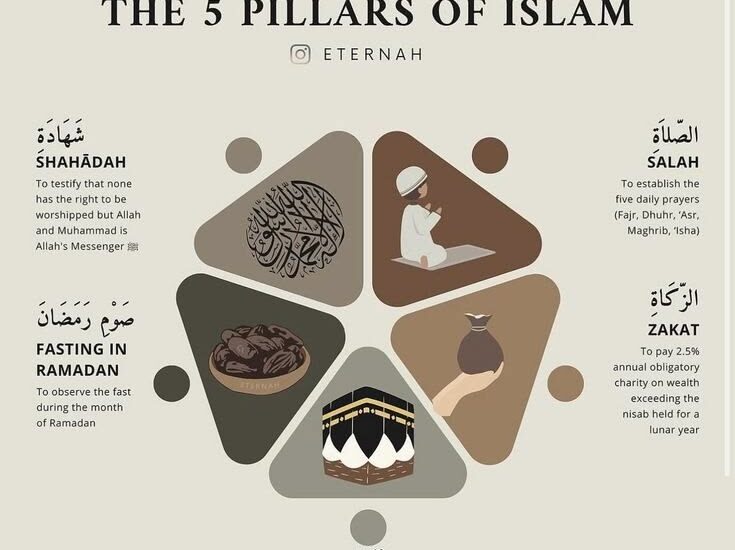
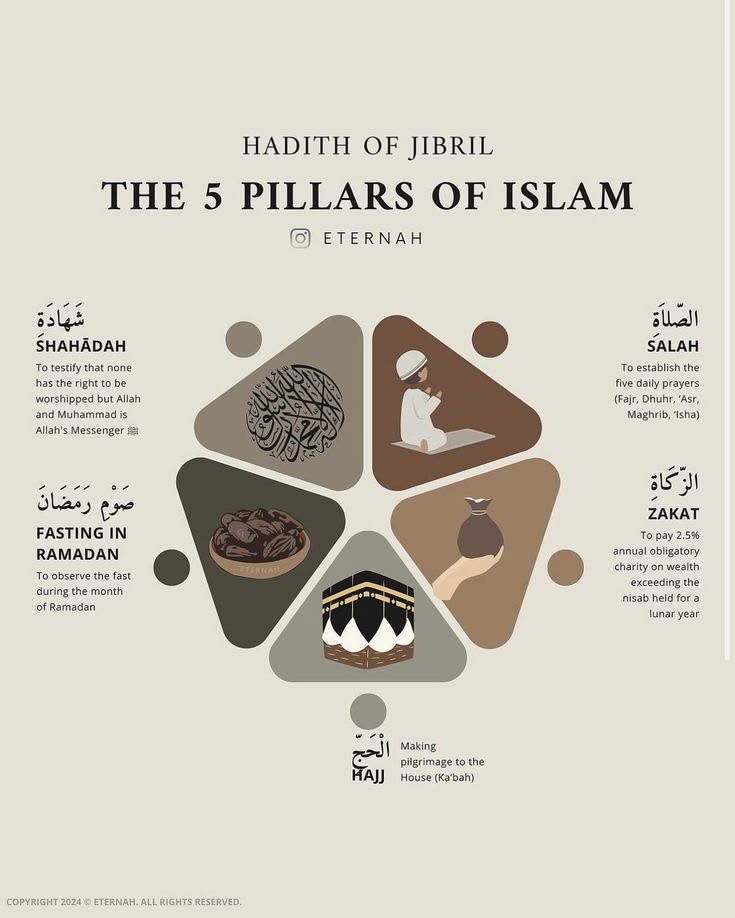
The Five Pillars of Islam are the fundamental acts of worship that form the foundation of a Muslim’s faith and way of life. They guide Muslims in their relationship with Allah, encourage kindness and generosity, develop self-discipline, and strengthen the sense of unity within the Muslim community.
Islam is not only a religion of belief but also a way of life that teaches honesty, compassion, patience, gratitude, and responsibility. The Five Pillars provide a practical framework for putting these values into action.
Whether you are a new Muslim, a student of Islamic history, a parent teaching children about Islam, or someone interested in learning about the religion, understanding these five pillars is an important first step.
The five pillar are:-
- shahdaah- Declaration of Faith
- salah- Daily prayer
- zakat- Obligatory Charity
- Sawm – Fasting During Ramadan
- Hajj – Pilgrimage to Makkah
1. Shahada: The Declaration of Faith
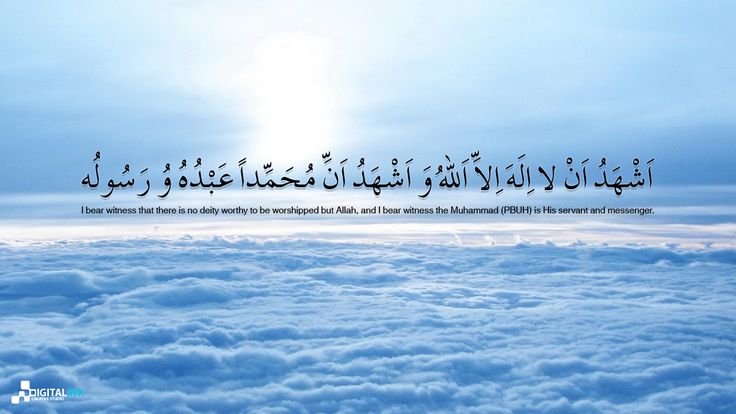
Shahada is the first and most fundamental of the Five Pillars of Islam. It is the declaration of faith through which a person affirms the oneness of Allah and accepts Muhammad (peace be upon him) as His Messenger.
What Is the Meaning of Shahada?
The Shahada in Arabic is:
لَا إِلَٰهَ إِلَّا اللَّهُ مُحَمَّدٌ رَسُولُ اللَّهِ
Transliteration: La ilaha illallah, Muhammadur Rasulullah.
Meaning: There is no deity worthy of worship except Allah, and Muhammad is the Messenger of Allah.
This declaration expresses two essential beliefs in Islam. First, Allah alone deserves worship. Second, Prophet Muhammad (peace be upon him) is Allah’s Messenger, whose teachings guide Muslims in understanding and practising Islam.
Why Is Shahada Important in Islam?
hahada is the first and most fundamental of the Five Pillars of Islam. It is the declaration of faith through which a person affirms the oneness of Allah and accepts Muhammad (peace be upon him) as His Messenger.
What Is the Meaning of Shahada?
The Shahada in Arabic is:
لَا إِلَٰهَ إِلَّا اللَّهُ مُحَمَّدٌ رَسُولُ اللَّهِ
Transliteration: La ilaha illallah, Muhammadur Rasulullah.
Meaning: There is no deity worthy of worship except Allah, and Muhammad is the Messenger of Allah.
This declaration expresses two essential beliefs in Islam. First, Allah alone deserves worship. Second, Prophet Muhammad (peace be upon him) is Allah’s Messenger, whose teachings guide Muslims in understanding and practising Islam.
Why Is Shahada Important in Islam?
Shahada is the foundation upon which the other pillars rest. It reminds Muslims to direct their worship to Allah alone and to follow the guidance brought by Prophet Muhammad (peace be upon him).
Believing in Shahada also encourages Muslims to live with sincerity, trust in Allah, and awareness of their responsibilities.
For children and beginners, understanding Shahada helps establish the basic concept of Islamic faith: believing in one God and following His guidance.
2. Salah: Performing the Five Daily Prayers
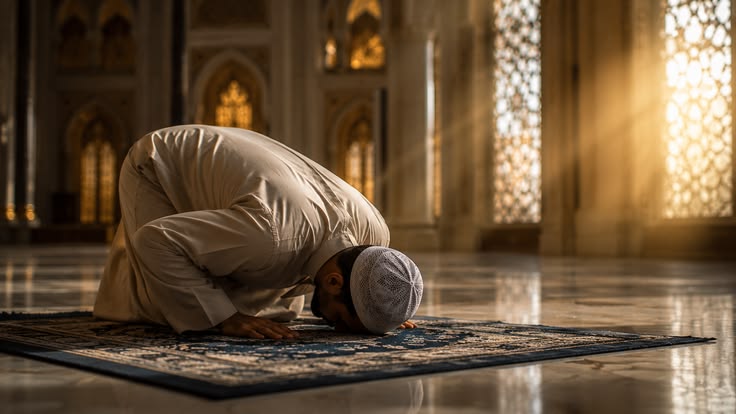
Salah, or prayer, is the second pillar of Islam. Muslims perform five obligatory prayers every day at specific times. These prayers help believers remember Allah, seek His guidance, and maintain a regular connection with their Creator.
What Are the Five Daily Prayers?
The five obligatory prayers are:
- fAJAR-Performed before sunrise.
- Zohar-Performed after the sun passes its highest point.per
- Asar-performed afternoom
- Maghrib-Performed just after sunset.
- Isha-Performed at night.
The exact prayer times vary according to location and the time of year.
Before Salah, Muslims generally perform Wudu, a ritual washing that prepares them for prayer. They face the Kaaba in Makkah and recite verses from the Quran, including Surah Al-Fatihah.
The Importance of Salah in Daily Life
Salah is more than a daily religious obligation. It encourages discipline, patience, humility, and mindfulness. Pausing throughout the day for prayer allows Muslims to step away from everyday distractions and remember their purpose.
Praying together in a congregation also strengthens unity and brotherhood. Muslims from different backgrounds stand side by side, demonstrating equality before Allah.
The Quran states:
“Indeed, prayer prohibits immorality and wrongdoing.” — Quran 29:45 (translation of meaning)
This verse highlights the role of prayer in encouraging good character and helping believers avoid harmful behaviour.
3. Zakat: Giving Obligatory Charity
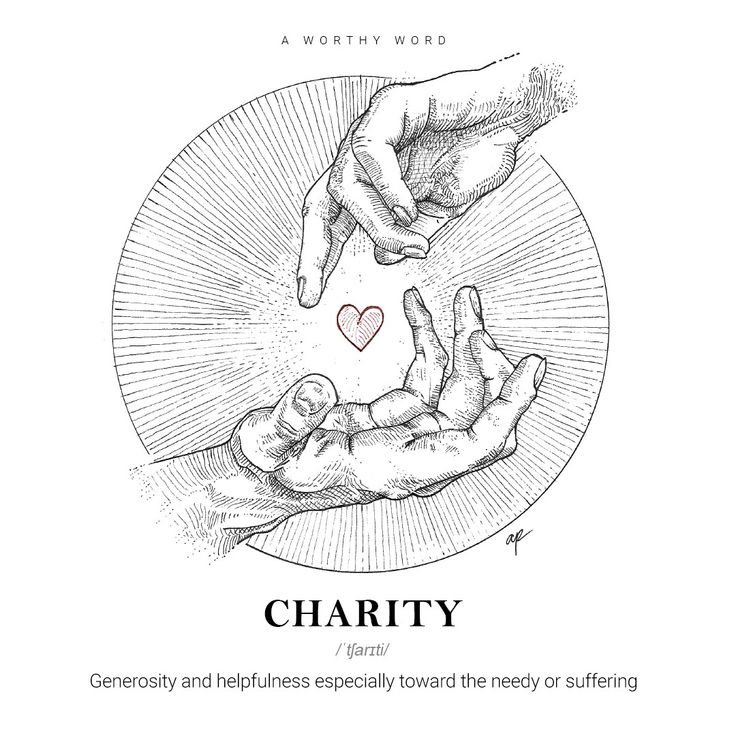
Zakat is the third pillar of Islam. It is an obligatory form of charity that eligible Muslims give to specific categories of people entitled to receive it.
The word Zakat is associated with purification, growth, and blessing. It teaches Muslims that wealth is a responsibility and that people in need have rights that should not be ignored.
How Does Zakat Work?
For Muslims whose eligible wealth reaches the required threshold, known as Nisab, Zakat is generally due after the applicable lunar-year holding period, subject to the rules for the particular type of wealth.
A commonly applicable rate for qualifying savings and certain other monetary assets is 2.5%, although the calculation depends on the asset and relevant Islamic rulings.
For example, if a person has ₹1,00,000 in qualifying wealth on which Zakat is due, 2.5% would equal ₹2,500. This is a simplified example; the actual obligation depends on the person’s eligible assets, liabilities where applicable, and the relevant Zakat rules.
Zakat is not the same as voluntary charity, known as Sadaqah. Zakat is an obligation for those who meet its conditions, while Sadaqah can be given voluntarily at any time.
Who Can Receive Zakat?
The Quran identifies eight categories of eligible Zakat recipients in Surah At-Tawbah (9:60). These include the poor, the needy, eligible Zakat administrators, and other categories specified in the verse.
Zakat can help address poverty, provide essential support, and strengthen relationships within society. It reminds Muslims to avoid greed and recognise their responsibility towards others.
The Spiritual and Social Benefits of Zakat
Zakat encourages generosity, gratitude, and social responsibility. It helps circulate wealth and supports people who may struggle to meet their basic needs.
By giving Zakat sincerely, Muslims practise compassion and recognise that success is not measured by wealth alone but also by how responsibly it is used.
4. Sawm: Fasting During the Month of Ramadan
Sawm, or fasting, is the fourth pillar of Islam. Adult Muslims who are obligated to fast abstain from food, drink, and marital relations from dawn until sunset during the month of Ramadan.
Fasting is not simply about experiencing hunger. It is an act of worship intended to develop Taqwa, which means consciousness of Allah and a commitment to living according to His guidance.
How Do Muslims Observe Ramadan Fasting?
Muslims commonly begin their fast with a pre-dawn meal called Suhoor. They then refrain from the things that invalidate the fast until sunset, when they break their fast with Iftar.
Many Muslims begin Iftar with dates and water, following the established Prophetic practice, before eating a meal.
Ramadan is also a time for increased Quran recitation, additional prayers, charity, repentance, and family and community gatherings. Many Muslims perform Taraweeh prayers at night.
Who Is Exempt from Fasting?
Islam recognises that people may face circumstances that make fasting difficult or harmful. Depending on the situation and relevant Islamic rulings, exemptions or alternative obligations may apply to travellers, people who are ill, pregnant or breastfeeding women, menstruating women, and others.
People who are temporarily unable to fast may need to make up missed fasts later. Other circumstances may involve different rulings, such as providing food to eligible people in certain cases.
Anyone uncertain about their circumstances should seek guidance from a knowledgeable and trusted Islamic scholar.
Why Is Fasting Important in Islam?
Fasting teaches patience, self-control, gratitude, and empathy for people who experience hunger and hardship. It also encourages believers to avoid lying, gossip, anger, and other harmful behaviour.
The Quran explains the purpose of fasting in Surah Al-Baqarah (2:183), teaching that fasting was prescribed so that believers may develop Taqwa.
Ramadan therefore offers an opportunity to strengthen faith, improve habits, and become more mindful of Allah and the needs of others.
5. Hajj: The Pilgrimage to Makkah
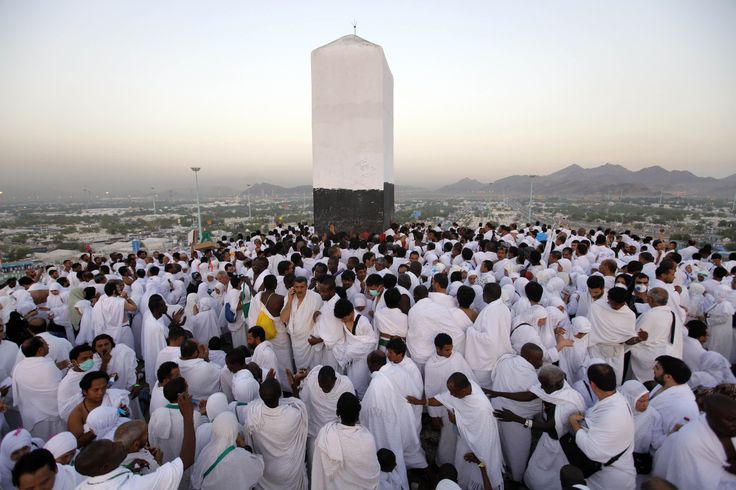
Hajj is the fifth pillar of Islam. It is the annual pilgrimage to Makkah in Saudi Arabia, performed during specific days of the Islamic month of Dhul-Hijjah.
Hajj is obligatory once in a lifetime for Muslims who are physically and financially able to undertake the journey and meet the relevant conditions.
What Happens During Hajj?
Hajj includes a series of prescribed rites performed at sacred locations in and around Makkah. Important parts of the pilgrimage include:
- Ihram: Entering the prescribed state of pilgrimage.
- Tawaf: Circling the Kaaba seven times.
- Sa’i: Walking between Safa and Marwah in remembrance of Hajar’s search for water.
- Standing at Arafat: A central rite of Hajj involving prayer, remembrance, and supplication.
- Muzdalifah and Mina: Visiting these locations as part of the prescribed pilgrimage rites.
- Ramy al-Jamarat: Performing the symbolic stoning rite according to the rules of Hajj.
The order and details of certain rites depend on the type of Hajj being performed and applicable Islamic rulings.
The Spiritual Meaning of Hajj
Hajj represents devotion, sacrifice, patience, and submission to Allah. Millions of Muslims from different countries and cultures gather to worship Allah, creating a powerful expression of unity.
The simple clothing associated with Ihram also reminds pilgrims of humility and equality. Wealth, nationality, and social status do not determine a person’s worth before Allah.
For many Muslims, Hajj is a deeply meaningful journey that strengthens faith and encourages a renewed commitment to living according to Islamic teachings.
Why Are the Five Pillars of Islam Important?
The Five Pillars of Islam connect belief with action. Each pillar teaches a different lesson, yet together they create a balanced approach to worship, personal development, and social responsibility.
Their importance can be understood in several ways:
1. Strengthening faith: Shahada establishes the foundation of belief in Allah and His Messenger.
2. Building discipline: Salah creates a regular routine of worship and remembrance.
3. Supporting those in need: Zakat encourages the responsible use of wealth and assistance for eligible recipients.
4. Developing self-control: Sawm teaches patience, gratitude, and awareness of Allah.
5. Promoting unity: Hajj brings Muslims together in a shared act of worship.
The Five Pillars are not intended to be isolated rituals. Their deeper purpose is reflected in how Muslims treat others, fulfil their responsibilities, and strive to live with honesty, mercy, and humility.
Frequently Asked Questions About the Five Pillars of Islam
1. What are the Five Pillars of Islam?
The Five Pillars of Islam are Shahada (declaration of faith), Salah (five daily prayers), Zakat (obligatory charity), Sawm (fasting during Ramadan), and Hajj (pilgrimage to Makkah).
2. Which is the first pillar of Islam?
Shahada is the first pillar. It affirms that there is no deity worthy of worship except Allah and that Muhammad (peace be upon him) is the Messenger of Allah.
3. How many times a day do Muslims pray?
Muslims perform five obligatory prayers daily: Fajr, Dhuhr, Asr, Maghrib, and Isha.
4. Is Zakat compulsory for every Muslim?
Zakat is obligatory for Muslims who meet the relevant conditions, including the required threshold of eligible wealth. Its calculation depends on the type of wealth and applicable Islamic rules.
5. Do all Muslims have to perform Hajj?
Hajj is obligatory once in a lifetime for Muslims who are physically and financially able to perform it and meet its conditions.
6. Why do Muslims fast during Ramadan?
Muslims fast during Ramadan to worship Allah, develop Taqwa, practise self-control, and increase gratitude, patience, and compassion for others.
7. Can children learn the Five Pillars of Islam?
Yes. Children can learn the five pillars through simple explanations, illustrated charts, stories, activities, and age-appropriate Islamic lessons.
Conclusion
The Five Pillars of Islam provide a foundation for Muslim belief, worship, and daily life. Shahada strengthens faith, Salah maintains a connection with Allah, Zakat promotes generosity, Sawm develops self-discipline, and Hajj expresses devotion and unity.
Together, these pillars encourage Muslims to grow spiritually, act responsibly, and treat others with compassion and respect. Understanding their meanings is an important step towards understanding Islam itself.
At Islamic Wisdoms, we aim to make Islamic knowledge accessible, meaningful, and easy to understand for readers of all ages. Continue exploring our Islamic articles to learn more about the Quran, the Prophets, Islamic history, daily Duas, and the beautiful names of Allah.
